Budapest Itinerary: How Many Days Do You Need?
Updated September 2026 · Fares and hours verified against BKK, BKV and each venue's official site
Almost every Budapest itinerary online is a three-day itinerary. That is fine if you already have three days booked, and useless if you are still deciding whether to give the city a weekend, a long weekend or most of a week. This page answers that first, with a table, and then gives a genuine plan for each length rather than the same three days trimmed down.
- Three days is the sweet spot. Both sides of the river, one thermal bath, the ruin bars and the big sights, without rushing.
- Two days works. You will cover the highlights and skip the depth.
- One day is a taste, not a visit. Pick two areas, not three.
- Four or five days adds a day trip without cutting anything from the city.
- Skip the Budapest Card on a normal 3-day trip. It is 29,990 HUF against 5,750 HUF for the equivalent travelcard, and it does not include Szechenyi.
How many days do you need
| Days | What you cover | What you give up | Best for |
|---|---|---|---|
| 1 day | Castle Hill in the morning, Parliament and the river in the afternoon, one bath or ruin bar in the evening | One whole side of the river gets a walk-past at best. No day trip, no museums | A stopover, or a first look before deciding to come back |
| 2 days | Both sides of the river, one thermal bath, the Jewish Quarter and ruin bars, the Great Market Hall | Museums, and any sense of slowing down. House of Terror is usually the first casualty | A standard weekend break |
| 3 days | Everything above, plus real time at the baths, one museum, and an evening that is not a forced march | A day trip outside the city | A first visit. The length most people settle on, and rightly |
| 4 days | The full city, plus one day trip to Szentendre or the Danube Bend | Very little that matters | A first visit with no rush |
| 5 days | All of the above with a spare day to go back to whatever you liked most, or to reach Eger or Lake Balaton | Nothing, at this point you are choosing depth over coverage | Repeat visitors, or anyone who dislikes packed schedules |
Getting in from the airport
Budapest Ferenc Liszt airport sits southeast of the city and the cheap way in is the 100E airport express bus to Deak Ferenc ter in the centre. It has its own fare, 2,500 HUF for a single, and this is the part that catches people out: an ordinary single ticket or a travelcard is not valid on it without buying the 1,000 HUF add-on. There is no point buying a travelcard at the airport thinking it covers your ride into town.
Budget roughly 40 minutes into the centre. A taxi costs several times more and is worth it mainly for late arrivals or heavy luggage.
Which transport ticket to buy
Central Budapest is walkable, which changes the maths on travelcards. Most visitors take two or three rides a day, not six, and a block of ten single tickets works out cheaper than a travelcard over a short trip. These are BKK's current official fares:
| Ticket | Price | Worth it when |
|---|---|---|
| Single ticket (bought ahead) | 500 HUF | Occasional rides. Buy in the app or at a machine, not from the driver |
| Single ticket (bought on the spot) | 700 HUF | Never, if you can plan 30 seconds ahead |
| Block of 10 tickets | 4,500 HUF | The default for a 2-3 day trip. 450 HUF a ride, shareable between people |
| 30-minute ticket | 600 HUF | One-off longer hop with a change |
| 90-minute ticket | 850 HUF | A cross-city journey needing two or three changes |
| 24-hour Budapest travelcard | 2,750 HUF | A single very busy day, or if you are staying outside the centre |
| 72-hour Budapest travelcard | 5,750 HUF | Three days of constant moving. Breaks even at about four rides a day |
| 100E airport bus single | 2,500 HUF | Getting in and out. Separate fare, see above |
Is the Budapest Card worth it?
Short answer for this page: not on a normal first-time three-day trip. A 72-hour card is 29,990 HUF, and once you subtract the 5,750 travelcard you were buying anyway you need 24,240 HUF of card attractions to break even. The trip in the plans below is Castle Hill, a bath and the ruin bars, and the card covers none of those free: the Parliament is not on it at all, Széchenyi and the Basilica are discounts, and among the baths only Lukács is free.
It flips the other way if you are a museum person, and by a wide margin. We have run the whole arithmetic on two real itineraries, using prices we verified attraction by attraction, in the Budapest Card guide, which also covers what changed when the card moved to BKK and the difference between Classic, Plus and Flexi.
Buda or Pest: where to base yourself
Pest for most trips. It is flat, dense and walkable, and it is where the thermal baths, the ruin bars, the Great Market Hall, the Parliament building and most restaurants sit. District V (the centre) and District VII (the Jewish Quarter) put you inside walking distance of almost everything in the plans below. District VII is livelier and noisier at night, which is either the point or the problem depending on you.
Buda is quieter, greener and hillier, and it sits directly under Castle Hill. The genuine practical argument for it: the single best hour on Castle Hill is before nine in the morning, when Fisherman's Bastion is free and empty, and that is much easier when you are not crossing the river first.
One day in Budapest
One day means choosing two areas and doing them properly instead of three badly. The two that pay off most are Castle Hill and the riverfront.
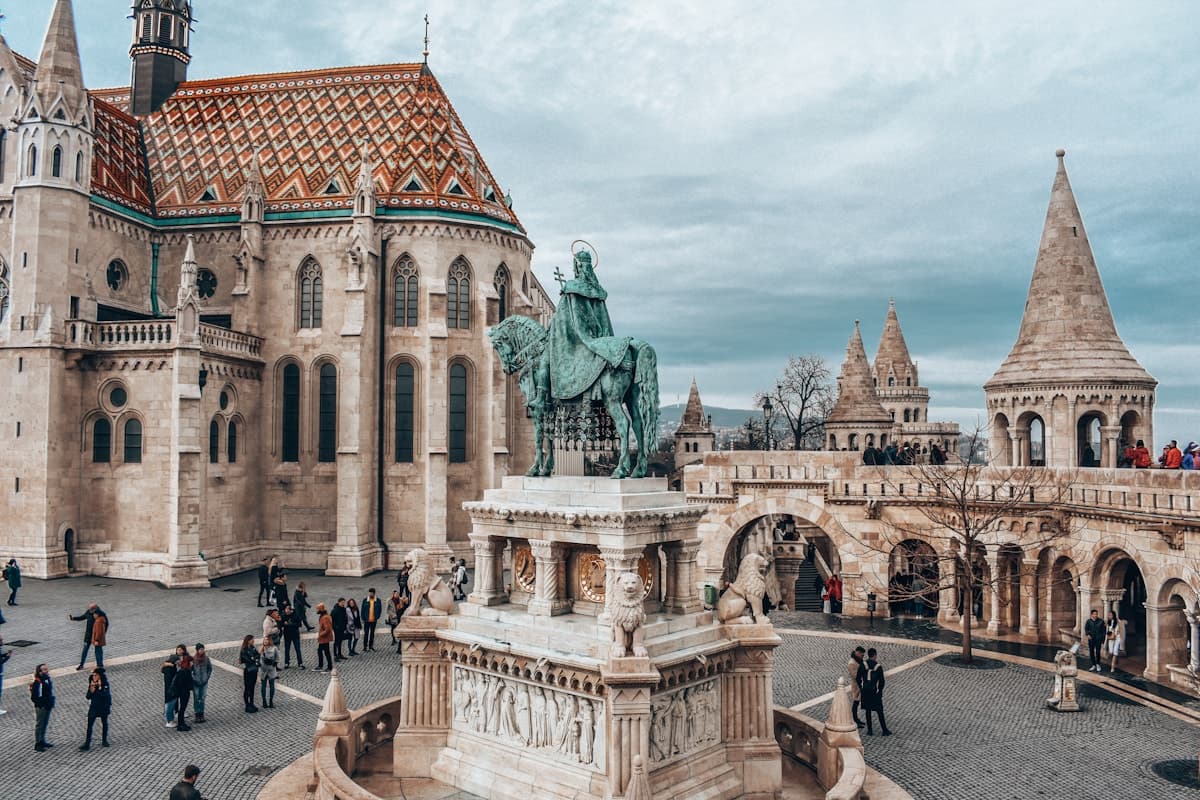
Before 09:00, Fisherman's Bastion. The lower terraces are open around the clock and cost nothing. The upper towers charge roughly 1,700 HUF at the ticket office, but only while the office is open, so arriving early gets you the same view for free and without the coach groups. This is the single most repeatable piece of advice about Budapest and almost nobody acts on it.
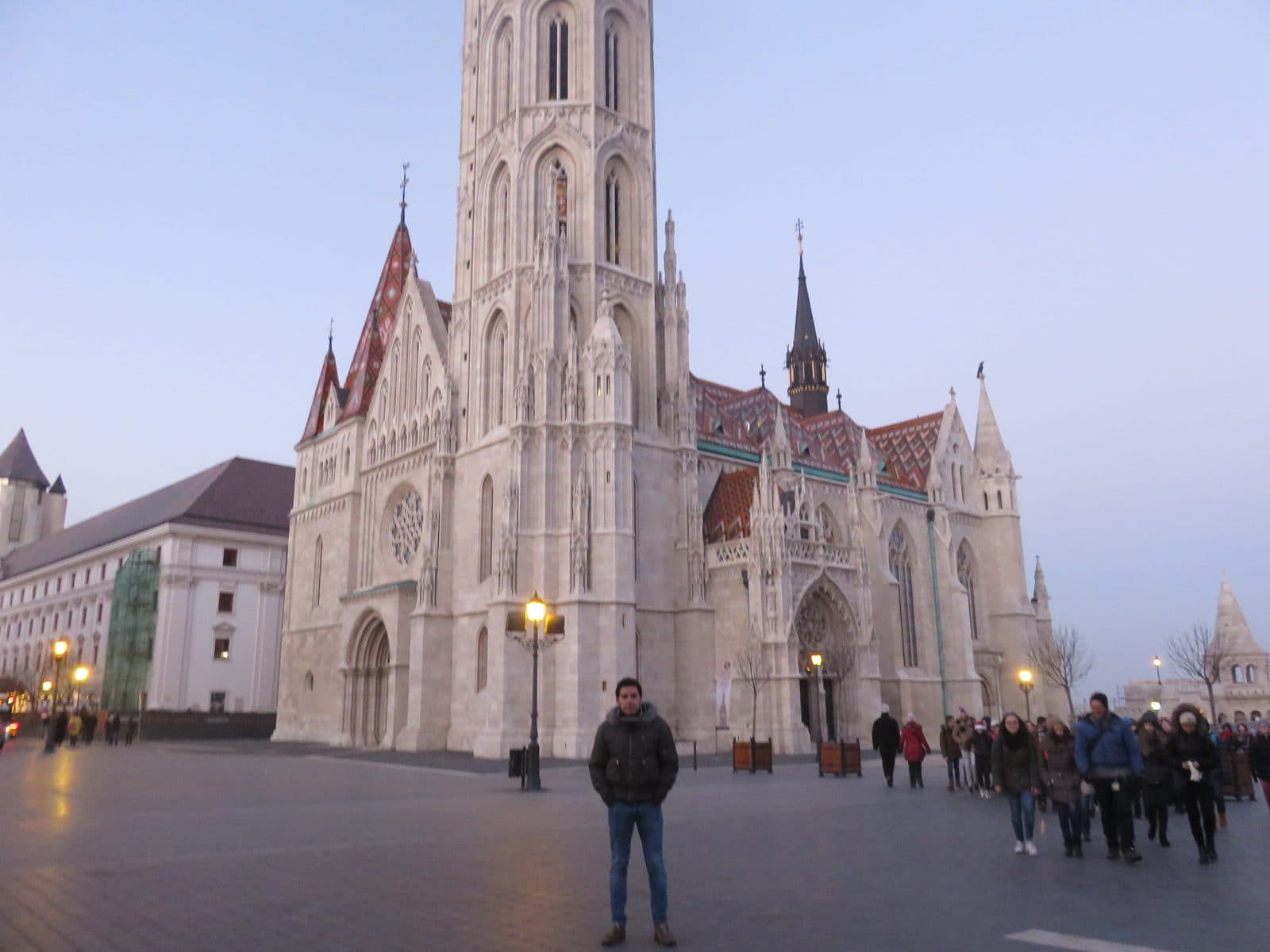
09:00 to 11:00, Matthias Church and the Castle District. The church opens at 09:00 and closes at 17:00. Its own audio guide runs off a QR code on the building's free wifi, and the first three chapters are free, which is worth knowing before you pay for anything else. Around it, the Castle District is a twenty-minute wander of cobbled streets that most people rush and should not.
Getting up and down: the funicular from Clark Adam ter runs 08:00 to 22:00 and costs 4,500 HUF one way, 5,500 HUF return. It is a short, pretty ride and genuinely poor value for a fit walker, since the hill takes about fifteen minutes on foot. It also closes on alternate Mondays for maintenance plus a longer annual shutdown, so check bkv.hu before you build a plan around it. There are also free escalators and a lift at the Varkert Bazar, which is the option most guides leave out.
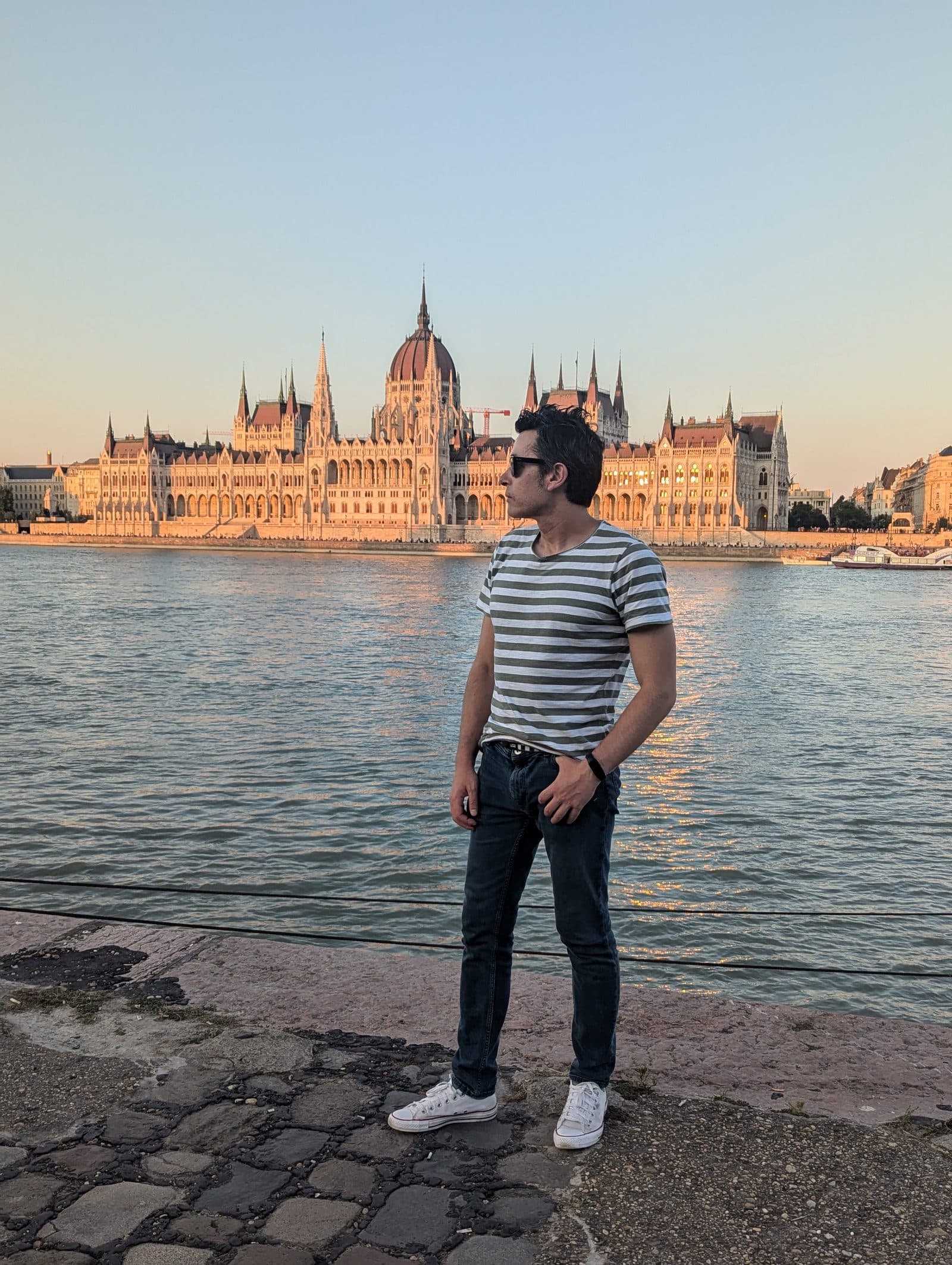
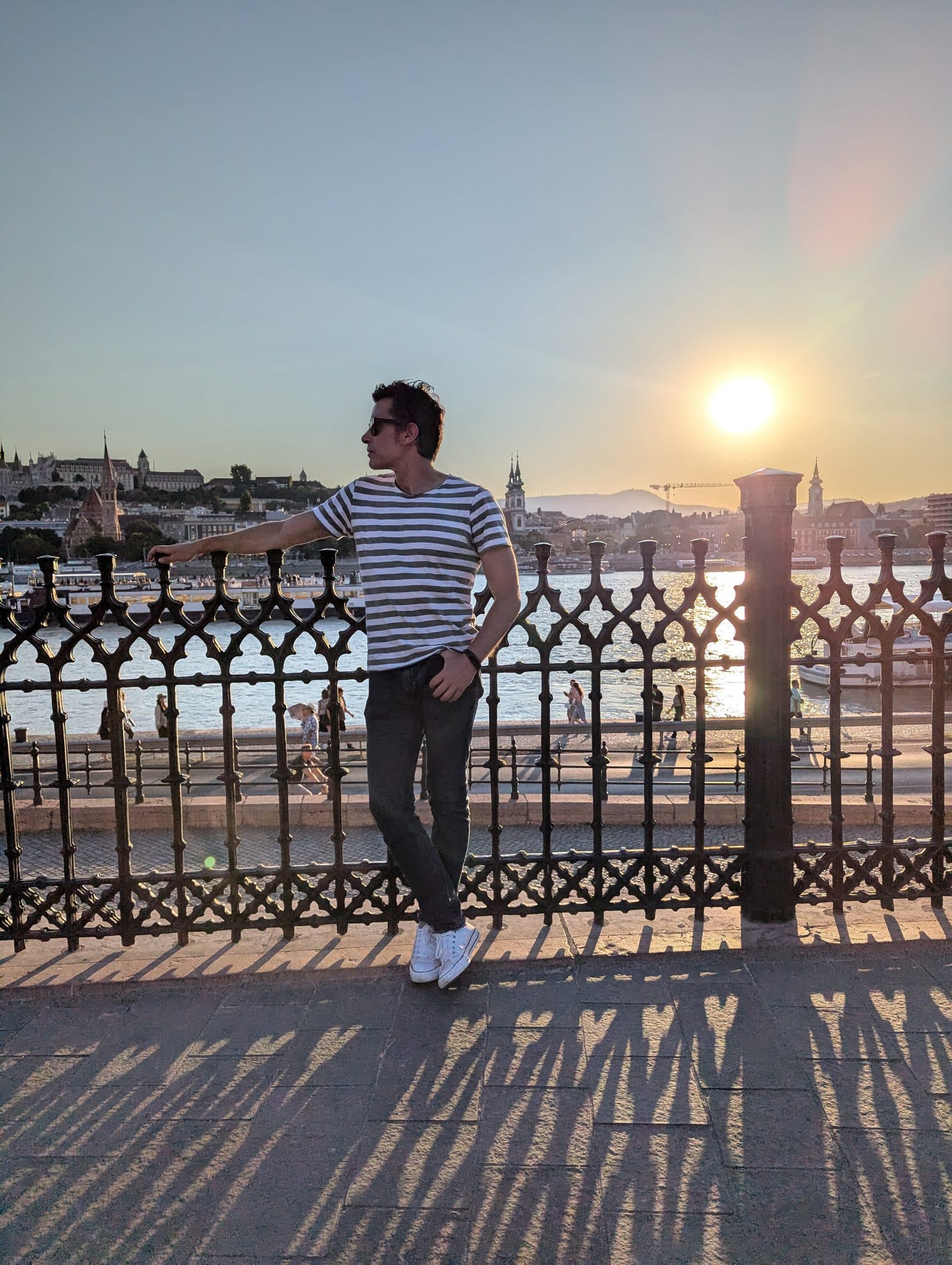
Afternoon, cross to Pest. Walk the Chain Bridge, which has been closed to private cars since 2023 and is far quieter than older guides suggest, then follow the river north to the Parliament building, and stop at the Shoes on the Danube memorial on the way, which is on the promenade at river level rather than up on the road. Seeing Parliament from the embankment is free and, for a single day, a better use of two hours than queueing for the interior.
Evening: pick one. Either a thermal bath or the ruin bars, not both. Szechenyi stays open late enough to make an evening soak realistic, and the Jewish Quarter is a fifteen-minute walk from the centre if you would rather drink than swim. Trying to do both on one day is how people end up rushing the only two things they will remember.
Two days in Budapest
Day 1 runs exactly as above: Castle Hill early, the river and Parliament in the afternoon, one thing in the evening.
Day 2, morning: the Great Market Hall. Free, and open 06:00 to 18:00 Monday to Friday, 06:00 to 16:00 on Saturday and 10:00 to 16:00 on Sunday, straight from the city operator. Avoid the Sunday: the building opens but only one of its 118 listed traders does. Go before 10:00 on a weekday if you want it to feel like a market rather than a souvenir aisle. The split is sharper than most guides say: all 123 ground-floor units sell food, and 29 of the building's 30 souvenir shops are upstairs.
Day 2, afternoon: a thermal bath. This is the thing you came for, and it needs three hours, not one. Which bath depends on what you want, and the difference between them is real: Szechenyi for the postcard, Rudas for the rooftop view over the river, Lukacs for fewer tourists. All eleven, side by side, in the thermal baths guide, including the two that are currently closed and the age restriction that caught out a lot of families in 2025.
Day 2, evening: the ruin bars. Szimpla Kert is the original and worth seeing even if you do not drink; go before 21:00 if you want to see the rooms rather than the crowd. Instant-Fogas is the one built for staying out. Which bars are worth it, which have quietly closed, and the one that is a restaurant pretending otherwise: the ruin bars guide.

Free Walking Tour in the Buda Castle, incl. Fisherman's Bastion
Two to three hours around Castle Hill with a guide, for a token booking fee plus a tip. Useful on day 1 if you would rather have context than a map, and it starts late enough to follow an early solo visit to the Bastion.

Budapest Ruin Pub Crawl: 6 Free Shots, VIP Entries and Drinking Games
Six hours across several ruin bars with a guide and skip-the-queue entry. Worth it on a short trip mainly because it removes the decision of which bars to pick and in what order.
Three days in Budapest
Days 1 and 2 stay as above. The third day is what turns a rushed weekend into an actual visit, and there are two good versions of it depending on the weather and your appetite for twentieth-century history.
Version A, the history day. Start at the House of Terror on Andrassy Avenue, in the building used by both the Arrow Cross and the communist secret police. It closes on Mondays, opens 10:00 to 18:00 with the desk shutting at 17:30, costs 4,000 HUF and sells no tickets online at all, so bring cash. It was shut for a week in September 2026 after its director was dismissed and reopened on the 22nd, free for a week; the exhibition is unchanged. Allow two hours and expect it to flatten your mood, which is rather the point. The Opera House is a few minutes back down the same avenue if you want something ornate to follow it, though a seat at a performance costs less than the tour. Walk Andrassy up to Heroes' Square afterwards, which is free and open, and you are then standing at the entrance to City Park with Szechenyi Baths a few minutes away, so this pairs naturally with an afternoon soak if you did not use day 2 for it.
Version B, the river and views day. Gellert Hill for the best panorama in the city, free and open, roughly forty minutes up on foot. Then theParliament interior in the afternoon if you booked it, which you will need to have done, and a Danube cruise at dusk. The cruise is the most touristy thing in this guide and also the one visitors consistently rate highest, which is worth being honest about.
Two additions worth knowing about, with a warning about the price. The Dohany Street Synagogue, the largest in Europe, sits at the edge of the Jewish Quarter and pairs naturally with the ruin bars on day 2. It is 14,500 HUF, which makes it the most expensive single ticket in central Budapest, and it closes on Saturdays for Shabbat. The Hospital in the Rock, a wartime hospital and nuclear bunker carved under Castle Hill, is 30 euros for the tour in English, against 9,500 HUF for the same tour in Hungarian, and entry is by guided tour only, so it slots into day 1 rather than being squeezed in. Both are worth it; neither is the cheap add-on that older guides still imply.
On the Parliament tour: book it ahead, because it sells out earlier than people expect, and know that the ticket price depends on whether you are an EEA citizen. We are not quoting a figure here because parliament.hu blocks automated access to its price page and the numbers circulating on other sites disagree with each other by several thousand forints. Check the official site, or book a product with a published price:

Hungarian Parliament Audio Guided Tour
A forty-five minute audio-guided visit inside the building. No free cancellation, security is strict and photo ID is required at the door, so read the conditions before booking.

Budapest Danube River Sightseeing Night Cruise with Drink
An hour past Parliament, the Chain Bridge and Buda Castle after dark, with a drink included. Over four thousand reviews, which is an unusually large sample for anything in this guide.
Four and five days
With a fourth day the city plan above does not change at all. The extra day goes outside Budapest, and the one that fits best is Szentendre: forty minutes each way on the HEV suburban railway from Batthyany ter, which makes it the only option on the list that also works as a half day if you change your mind. The Danube Bend (Visegrad and Esztergom) is the fuller version and takes the whole day.
A fifth day is better spent as slack than as a second day trip: going back to the bath you liked, or the one museum you skipped, beats adding Eger or Lake Balaton and turning the last two days into transport. Distances, fares, entry prices and which destinations have decent tours are all in the day trips guide, including the Danube Bend boat service that is currently suspended.
Every sight, with verified hours and prices
Build your own version of the days above with this. Every figure here was checked against the venue's own site in September 2026, which matters more than it sounds: the three highest-ranking Budapest itineraries currently quote 8,500, 13,000 and 3,000 HUF for sights whose operators now charge 14,500 and 9,500. Prices in Hungary have moved fast, and most guides have not kept up.
| Sight | Hours | Adult price | Worth knowing |
|---|---|---|---|
| Fisherman's Bastion, lower terraces | Open 24/7 | Free | The view most photos are taken from. Never closes |
| Fisherman's Bastion, upper towers | From 09:00 until the ticket office closes (19:00 low season, 21:00 high) | ~1,700 HUF | Free outside ticketing hours, so arrive before 09:00 and pay nothing |
| Matthias Church | 09:00-17:00 | Sold on site and online | Audio guide runs on a QR code over the church wifi; first three chapters free |
| Buda Castle Funicular | 08:00-22:00, last tickets 21:50 | 4,500 HUF one way, 5,500 return | Closed alternate Mondays for maintenance, plus a longer annual shutdown |
| House of Terror | Tue-Sun 10:00-18:00, desk closes 17:30 | 4,000 HUF (2,000 reduced) | Reopened 22 Sep 2026 after a week shut, and free for a week after |
| Great Market Hall | Weekdays ~06:00-18:00, earlier Sat, limited Sun | Free | Sources disagree on the exact Saturday closing time. Go before 10:00 |
| Dohany Street Synagogue | Seasonal: Sun-Thu 10:00-20:00 May-Sep, shorter in winter | 14,500 HUF | Closed Saturdays for Shabbat. The most expensive ticket in central Budapest |
| Hospital in the Rock | Guided tours at fixed times, last one at 18:00 | €30 in English | The 9,500 HUF figure everyone quotes is the Hungarian-language tour |
| Heroes' Square | Open 24/7 | Free | Top of Andrassy. Every museum around it shuts on Mondays, bar a 500 HUF tower |
| Gellert Hill and the Citadella | Statue 24/7; fortress park 6am to midnight in summer, 8am to 10pm in winter | Free | Best panorama in the city. About 40 minutes up on foot. The exhibition that opened in 2026 is 4,900 HUF and optional |
| Shoes on the Danube | Open 24/7 | Free | Pest embankment, 300m south of Parliament, down at river level |
| Hungarian Parliament | Guided visits, book ahead | Not verifiable | Different fare for EEA and non-EEA visitors. Official site blocks automated access and third-party figures disagree |
| Thermal baths | Varies by bath | From ~4,000 HUF | Szechenyi, Rudas, Lukacs and Dandar are 14+ only since August 2025 |
When to go, and what changes
The plans above work year round, but two of them shift with the season, and it is worth knowing which before you book.
- December is the strongest case for Budapest, which surprises people. The thermal baths are better in the cold, since sitting outdoors in 38C water while it is near freezing is the whole point, and the city is much quieter than in summer. The Christmas markets add an evening to the plan: what is confirmed for 2026, and what it all costs.
- Daylight is the real constraint in winter. In December it is dark by about 16:00, so the Castle Hill morning matters more and the afternoon stretch of each day above shrinks. Plan one outdoor thing per day, not two.
- July and August are hot and busy, and the outdoor pools at Szechenyi and Palatinus come into their own while the indoor sights get crowded. This is the only time of year the Danube cruise is genuinely pleasant on deck.
- Spring and early autumn are the easy compromise: everything open, tolerable temperatures, fewer people than midsummer. Late September and early October are the sweet spot if you have a free choice.
What we would skip
Every itinerary tells you what to add. Fewer are honest about what to drop when the days are short.
- The funicular, unless mobility is a factor. 5,500 HUF return for a ride you can walk in fifteen minutes, on a hill that is genuinely not steep.
- The Budapest Card on a three-day baths-and-bars trip. See the maths above. It is a good product for a museum trip and a poor one for the trip most people take.
- Two thermal baths in three days. They are more similar to each other than the guides suggest, and the second visit almost always gets rushed.
- A day trip on a two-day visit. You will spend a quarter of your total time on transport to see something less interesting than what you left behind.
- Buying single tickets from the driver. 700 HUF instead of 500 HUF, every time, for no reason.
Frequently asked questions
How many days do you need in Budapest?
Three is the practical answer for a first visit: enough for both sides of the river, one thermal bath, the ruin bars and the big single sights without rushing any of them. Two days covers the highlights if that is what you have. One day is a real taste rather than a visit. Four or five days adds a day trip to Szentendre or the Danube Bend without cutting anything from the city itself.
Is one day enough for Budapest?
It is enough to see Castle Hill, the Parliament building from outside and one bath or ruin bar, which is a genuine taste of the city. It is not enough to cover both sides of the river properly. If a single day is all you have, do not try to fit a thermal bath and Castle Hill and the Jewish Quarter into it: pick two of the three and actually enjoy them.
Is the Budapest Card worth it?
For most three-day trips, no. The 72-hour card costs 29,990 HUF, while a 72-hour public transport travelcard is 5,750 HUF. To make up the roughly 24,000 HUF difference you need to use several of the things it includes free, mainly the Danube cruise, Lukacs Bath and two or three of the larger museums. The catch most guides do not mention is that Szechenyi, the bath most visitors actually want, is not included at all, only discounted. If your plan is Castle Hill, Szechenyi and the ruin bars, buying separately is cheaper.
Should I stay in Buda or Pest?
Pest for most trips. It is flat, walkable, and it is where the thermal baths, ruin bars, the Parliament building, the Great Market Hall and most restaurants are. Buda is quieter, hillier and sits right under Castle Hill, which suits a calmer trip or a repeat visit. The one practical argument for Buda is that Castle Hill at sunrise, before the coaches arrive, is much easier if you are already on that side of the river.
How do you get from Budapest airport to the city centre?
The 100E airport express bus runs between the airport and Deak Ferenc ter in the city centre and costs 2,500 HUF for a single ticket, which is a separate fare from the normal city network. Standard single tickets and travelcards are not valid on it without an add-on. A taxi is the faster option and costs several times more.
What transport ticket should I buy in Budapest?
For a two or three-day trip where you walk most of the time, a block of 10 single tickets (4,500 HUF, so 450 HUF a ride) usually beats a travelcard, because central Budapest is walkable and you will not take four rides a day. If you are moving around constantly or staying outside the centre, the 24-hour travelcard is 2,750 HUF and the 72-hour is 5,750 HUF. Always validate: the on-the-spot penalty fare is 12,000 HUF.
Can I fit a day trip into a 3-day trip to Budapest?
Only by giving up a city day, which for a first visit is usually the wrong trade. Day trips fit naturally from four days onwards. If you have three days and really want to leave the city, Szentendre is the one that works, because it is 40 minutes each way on the HEV suburban railway and can be done in half a day rather than a full one.
Do I need to book anything in advance in Budapest?
Two things genuinely warrant it: the Parliament interior tour, which sells out further ahead than most visitors expect (every session in the week we checked was already gone), and Szechenyi on summer weekends. Castle Hill, the ruin bars and the Great Market Hall are all walk-up, as is the House of Terror, which reopens on 22 September 2026 after a week shut and is free for a week after that. Note also that Szechenyi, Rudas, Lukacs and Dandar have only admitted visitors aged 14 and over since August 2025.
Some links on this page are affiliate links. If you book through them we earn a commission at no extra cost to you. It does not change what we recommend. Full disclosure.